For most of history, the hard part of making an image was making it. You needed years of training to render a convincing hand, decades to develop a style, an afternoon at minimum to produce a single finished piece. Skill of execution was the bottleneck, and because it was scarce, it was valuable.
That bottleneck is gone. I can generate a thousand images before lunch — competent ones, strange ones, images in any style I can name. So can you. So can anyone with a laptop. The cost of producing a picture has fallen essentially to zero.
When the cost of making something drops to zero, whatever was scarce stops being valuable, and something else takes its place. In the age of infinite images, that something is taste.
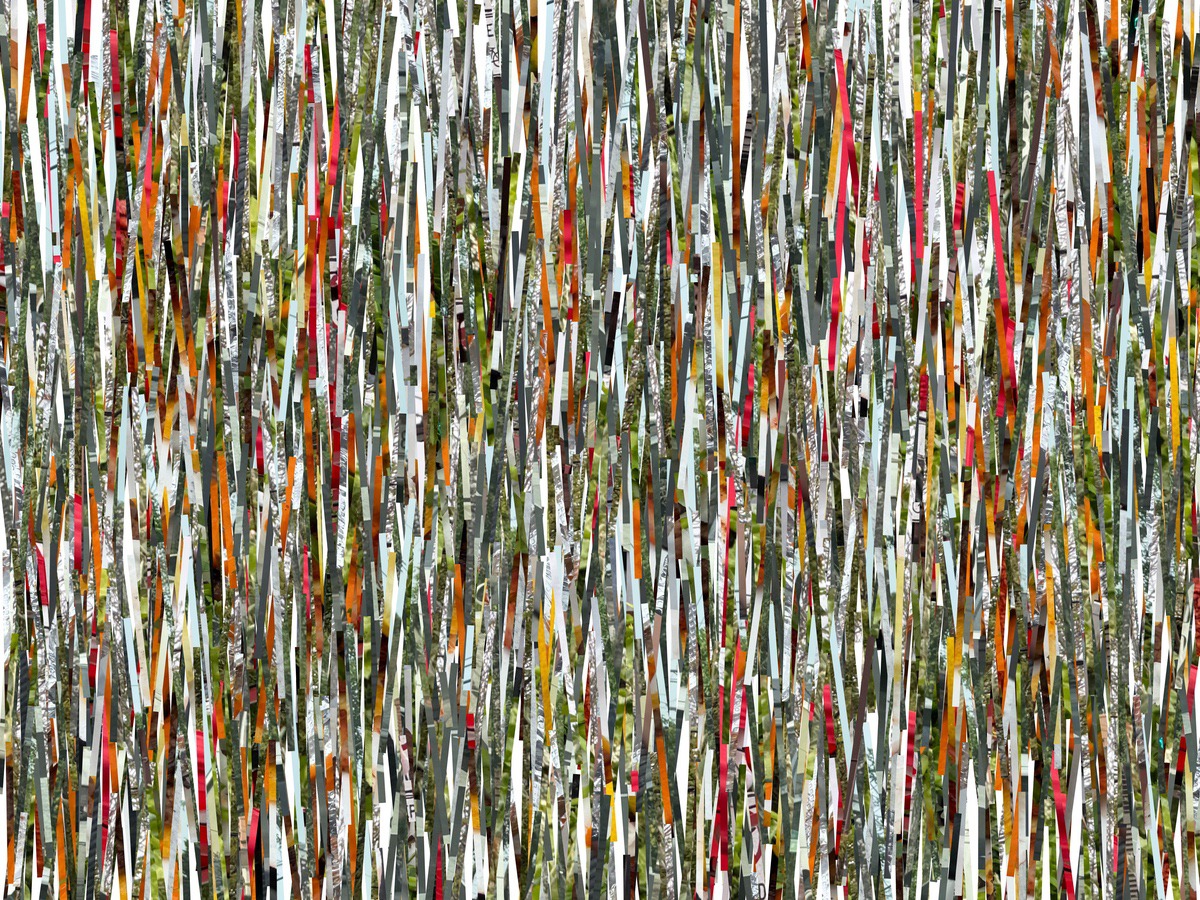
The bottleneck moved
Think about what's actually hard now. The machine produces the image instantly; the hard part is knowing which image, out of the thousand you just made, is worth keeping. It's recognizing that the forty-third generation has something the first forty-two missed. It's having a point of view strong enough that the output looks like yours and not like everyone else's default.
The creative labor simply moved — from execution to selection, from "how do I make this?" to "which of these deserves to exist?" That second question turns out to be just as hard as the first ever was. It's only hard in a different place.
This is why I think the loudest worry about generative tools — that they'll flood the world with art and make human judgment irrelevant — has it exactly backwards. A flood of images makes judgment the only thing that matters.
Curation is real work
There's a lazy version of this argument that says the new artist is "just a curator," as if curation were a step down from making. I don't buy it. Selecting well is active, demanding work.
To choose the right image out of a thousand, you need a developed sense of what you're after — a vision specific enough to measure things against, yet open enough to recognize the good surprise you didn't plan for. You need visual literacy, the kind you only build by looking at enormous amounts of work. And you need the nerve to throw away ninety-nine things that are fine in pursuit of the one that's actually good.
The discard pile is the work. For every image I publish, there are ten or twenty I generated and rejected. Those rejections are the exercise of taste — the part the tool can't do for me.
The "no" is the whole job
Abundance creates a strange new problem: when you can have anything, you have to decide what to leave out. Restraint becomes a creative act. The harder it is to say no, the more your "no" defines you.
A point of view is essentially a long series of consistent refusals. It's everything you decided not to make. In a world where the machine will happily generate in any direction at once, the artist's job is to keep choosing the same direction — to impose a coherence that the model, left to itself, has no reason to maintain.
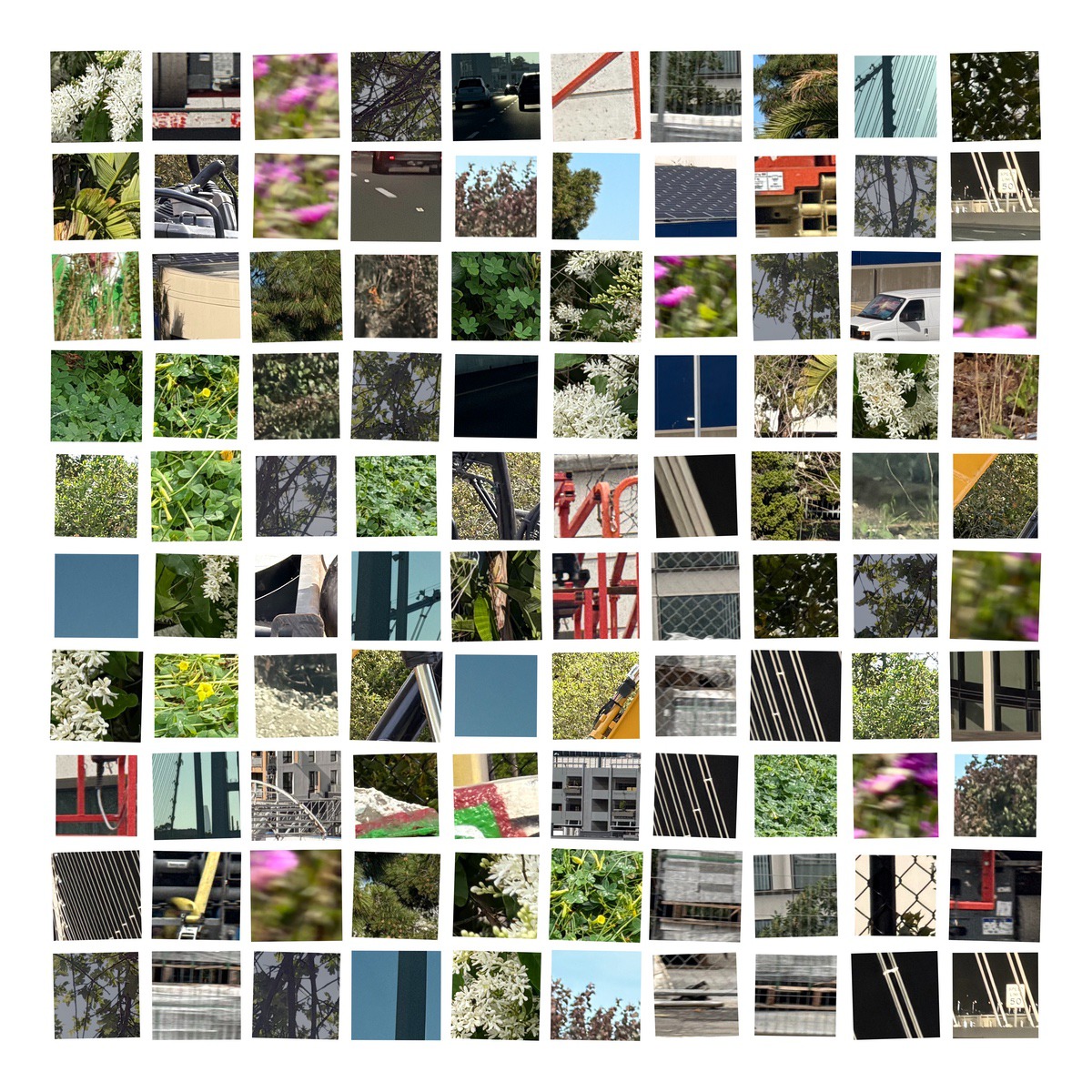
What this means for making work
I've stopped being impressed by the fact that an image exists. Anyone can make an impressive image now; that's table stakes. What still moves me is evidence of judgment — a body of work where you can feel someone deciding, over and over, what belongs and what gets cut.
That's also where I try to put my own effort. I generate a lot, and then I spend most of the time choosing. I work in series so the choosing has somewhere to point. I've written about that practice in Series as Practice, and about why the curator still counts as the author in AI Art and the Question of Authorship.
The tools will keep getting better at production. Knowing what's worth producing stays with us — and as the images pile up, that only grows more valuable.