Chance and Randomness in Algorithmic Art
by Benji Friedman
Every algorithmic artwork begins with a number. A seed — an arbitrary integer that initializes a pseudorandom number generator and sets the entire generative process in motion. Change the seed by one digit and you get a completely different image. Keep everything else the same and you get the exact same one. This is the paradox at the heart of algorithmic art: it is simultaneously random and deterministic.
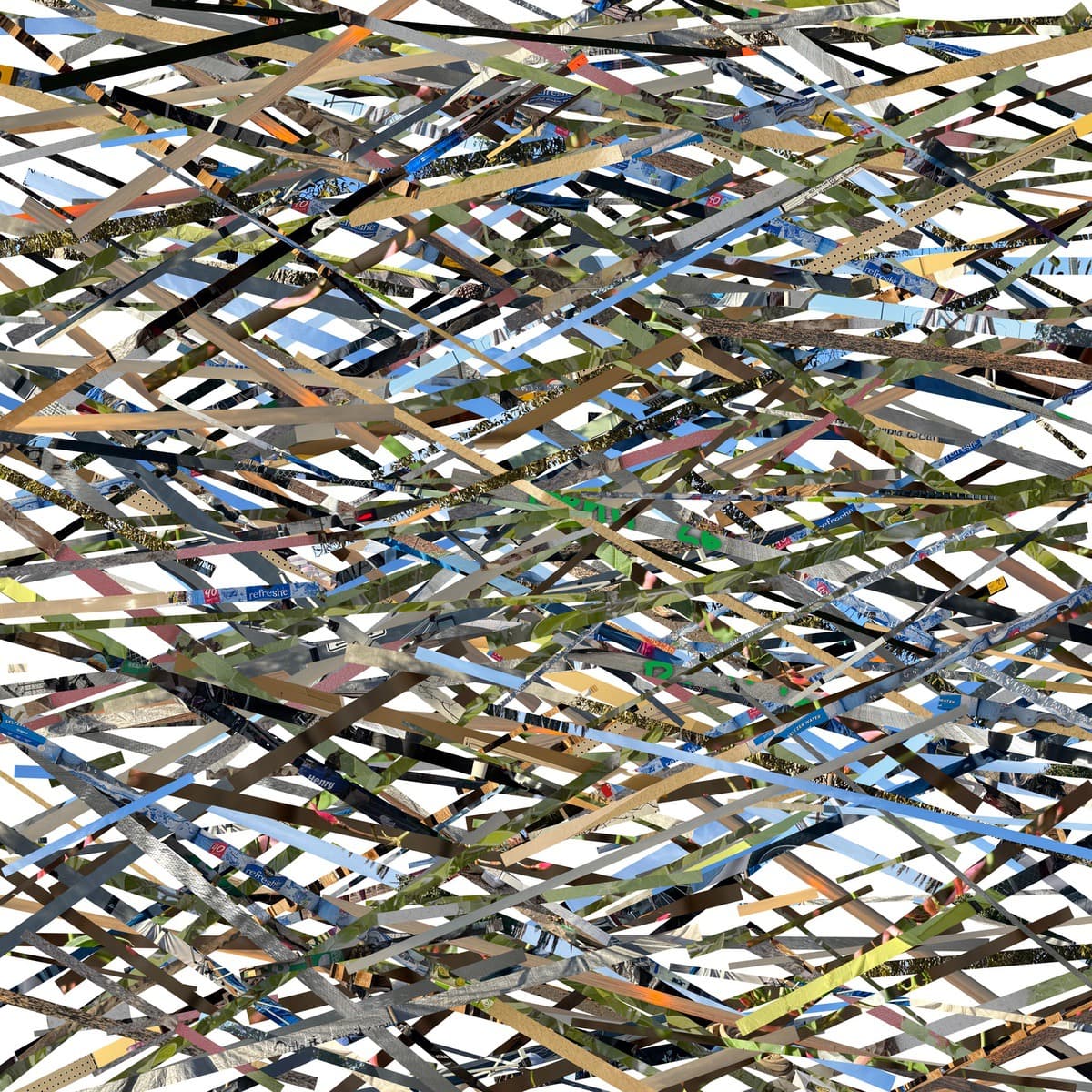
The Seed as Starting Point
In diffusion models like Stable Diffusion, the seed determines the initial noise tensor — the random static from which an image is gradually denoised into existence. In pixel-sorting algorithms, randomness determines which rows get shifted, which columns get rearranged, which thresholds trigger a sort. In generative code art, random values determine color, position, scale, rotation.
The seed is not the artwork. But it is the fork in the road that determines which artwork emerges from a given set of parameters. Two artists with identical prompts, identical models, identical settings — but different seeds — will produce entirely different images. The seed is where chance enters the system.
And yet, once chosen, the seed makes the process perfectly reproducible. This is “controlled randomness” — chaos with a receipt.
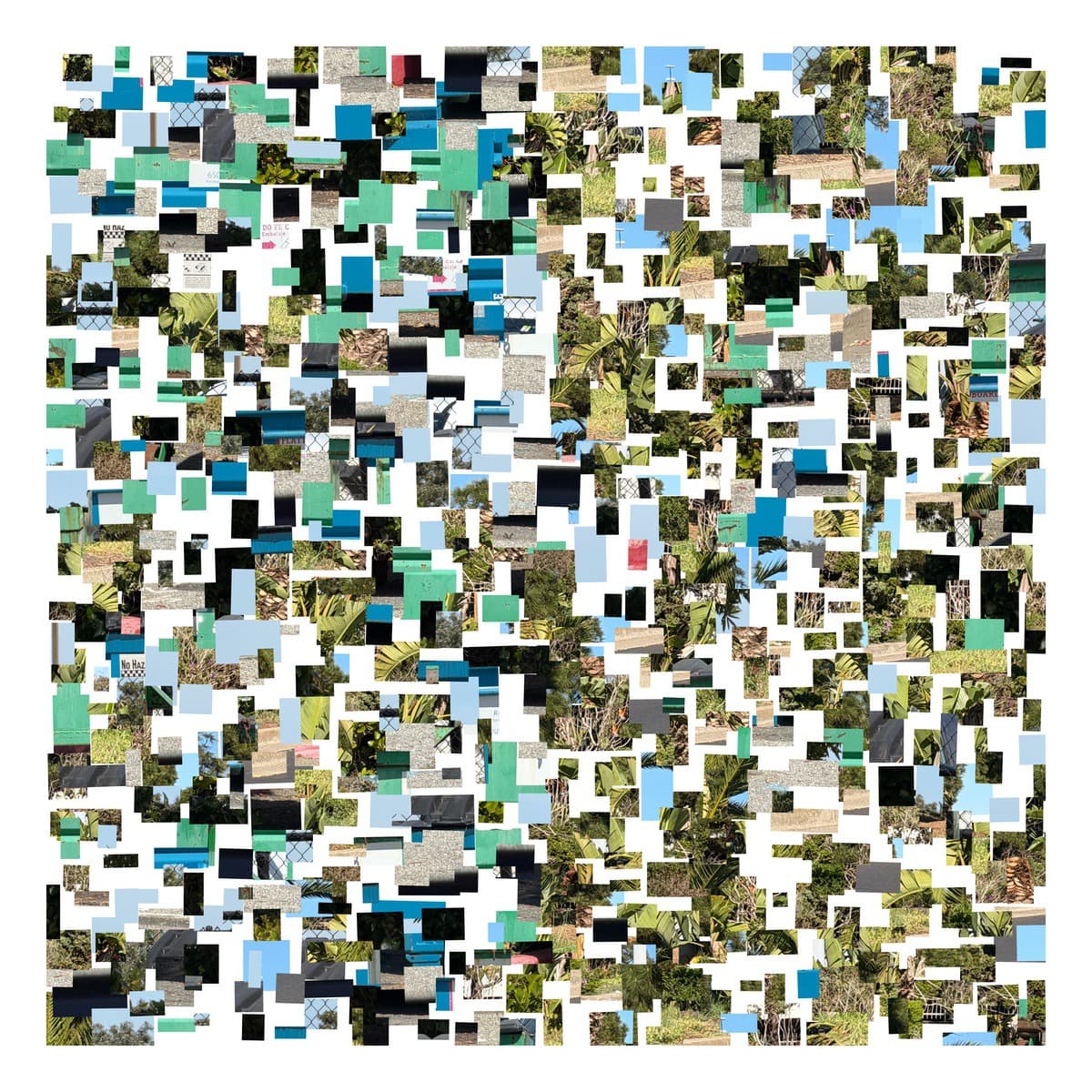
A Lineage of Chance
Artists have been incorporating randomness into their practice for over a century. Jean Arp dropped torn paper onto canvas and glued the pieces where they fell. Marcel Duchamp used chance operations to determine the placement of threads in his “3 Standard Stoppages.” John Cage composed music by flipping coins, consulting the I Ching to determine notes, durations, and dynamics.
What these artists understood — and what algorithmic artists inherit — is that randomness is not the absence of intention. It is a method of intention. You design the system, define the constraints, set the boundaries of possibility — and then you let chance operate within those boundaries. The art is in the system design, not in the individual output.
Algorithmic art extends this tradition with unprecedented scale and precision. Where Arp could drop paper a dozen times, a generative artist can run ten thousand seeds in an afternoon. Where Cage consulted the I Ching manually, we have pseudorandom number generators that produce billions of unique sequences. The principle is the same; the throughput is radically different.
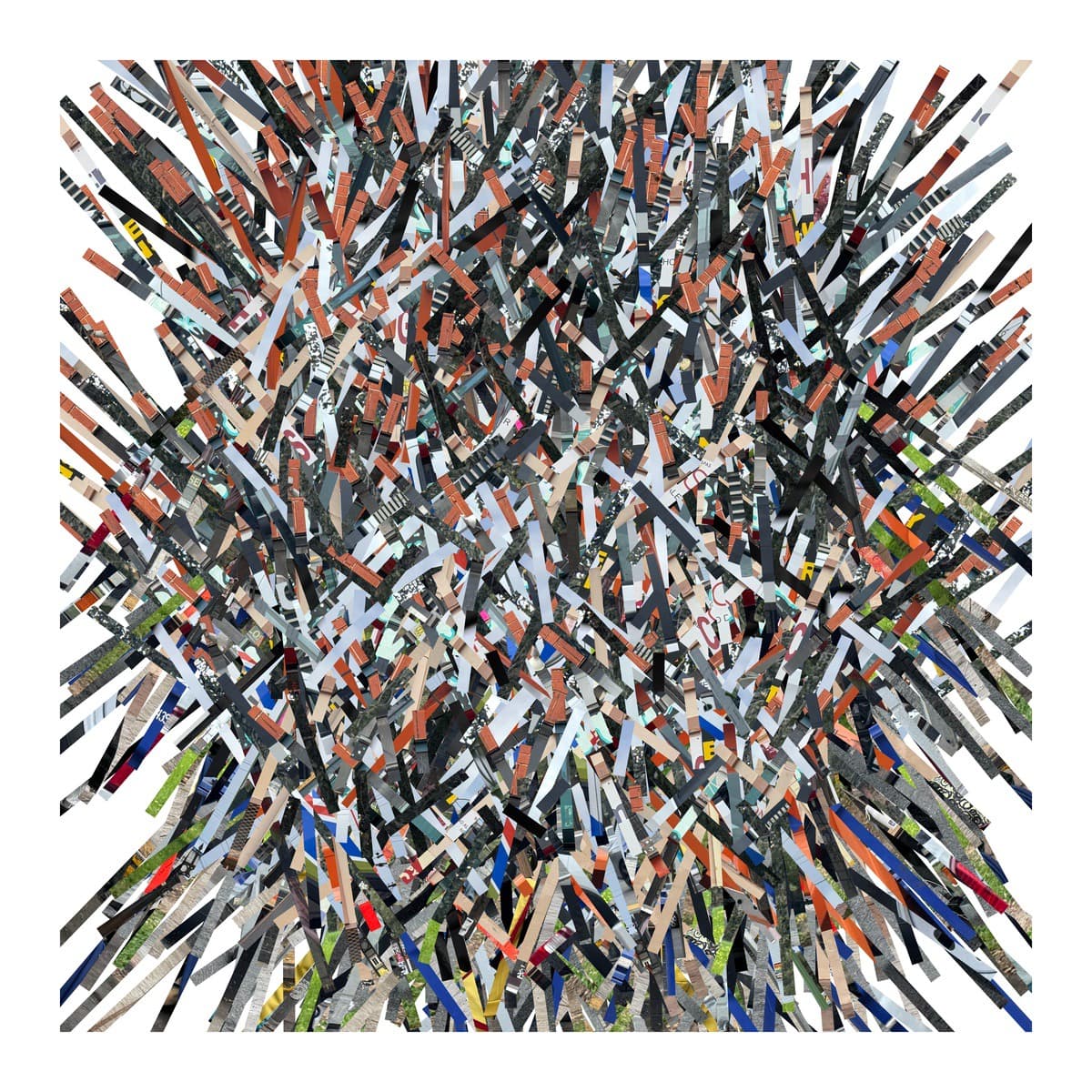
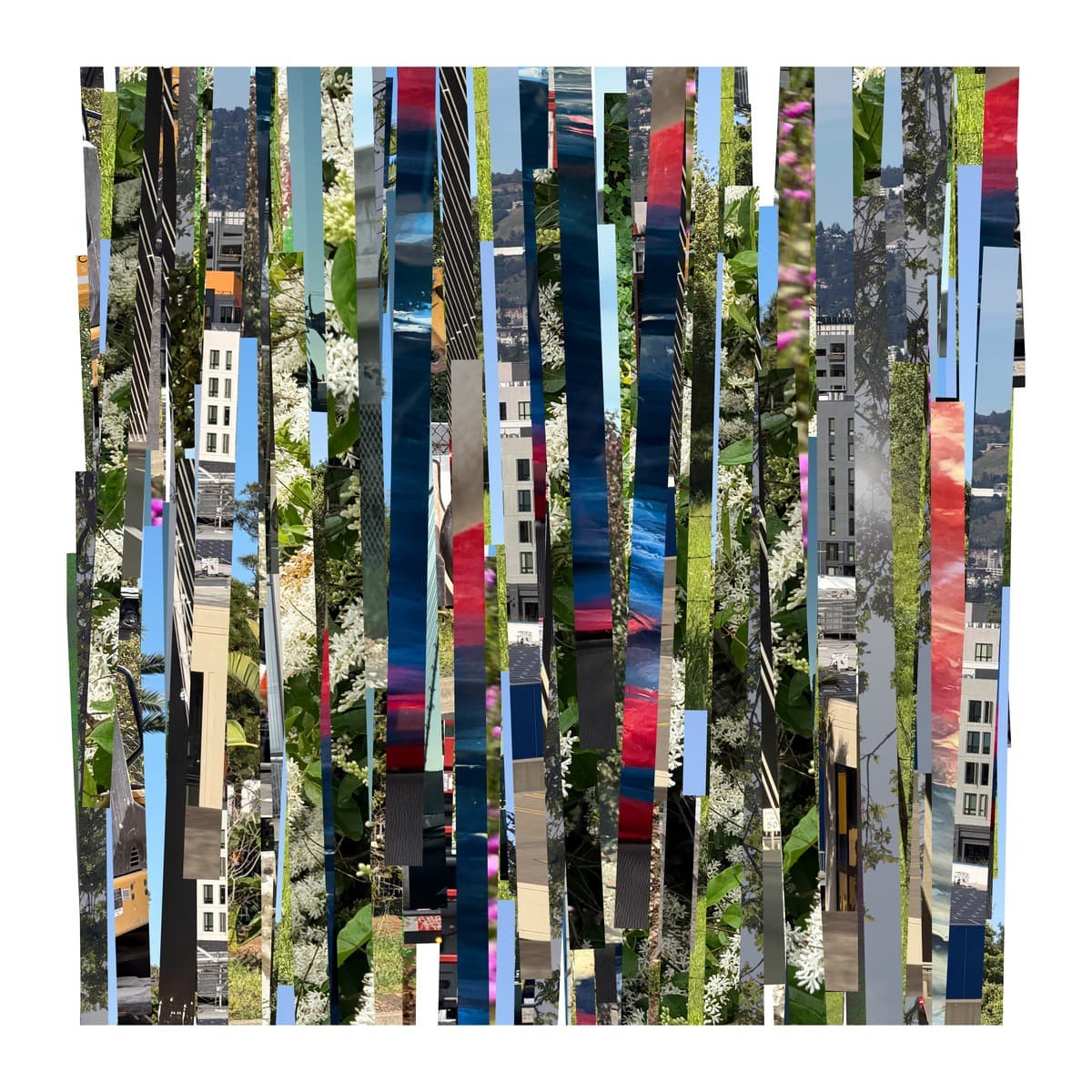
Randomness determines which regions of an image get reorganized by the algorithm.
Curation as the Creative Act
When your process involves randomness, the creative act shifts. You are no longer making a single image through deliberate mark-making. You are designing a system that produces a space of possible images, then navigating that space to find the ones that resonate.
This is curation in its deepest sense — not choosing between existing works, but choosing between possible worlds. Each seed is a door to a different version of what your system can produce. The artist’s taste, judgment, and vision determine which doors get opened and which outputs get elevated to the status of “work.”
There is real skill in this. Developing the sensitivity to recognize when a random output transcends its parameters — when chance produces something that feels inevitable rather than arbitrary — is a cultivated ability. It requires looking at thousands of outputs and building an internal model of what “good” means within your system’s possibility space.
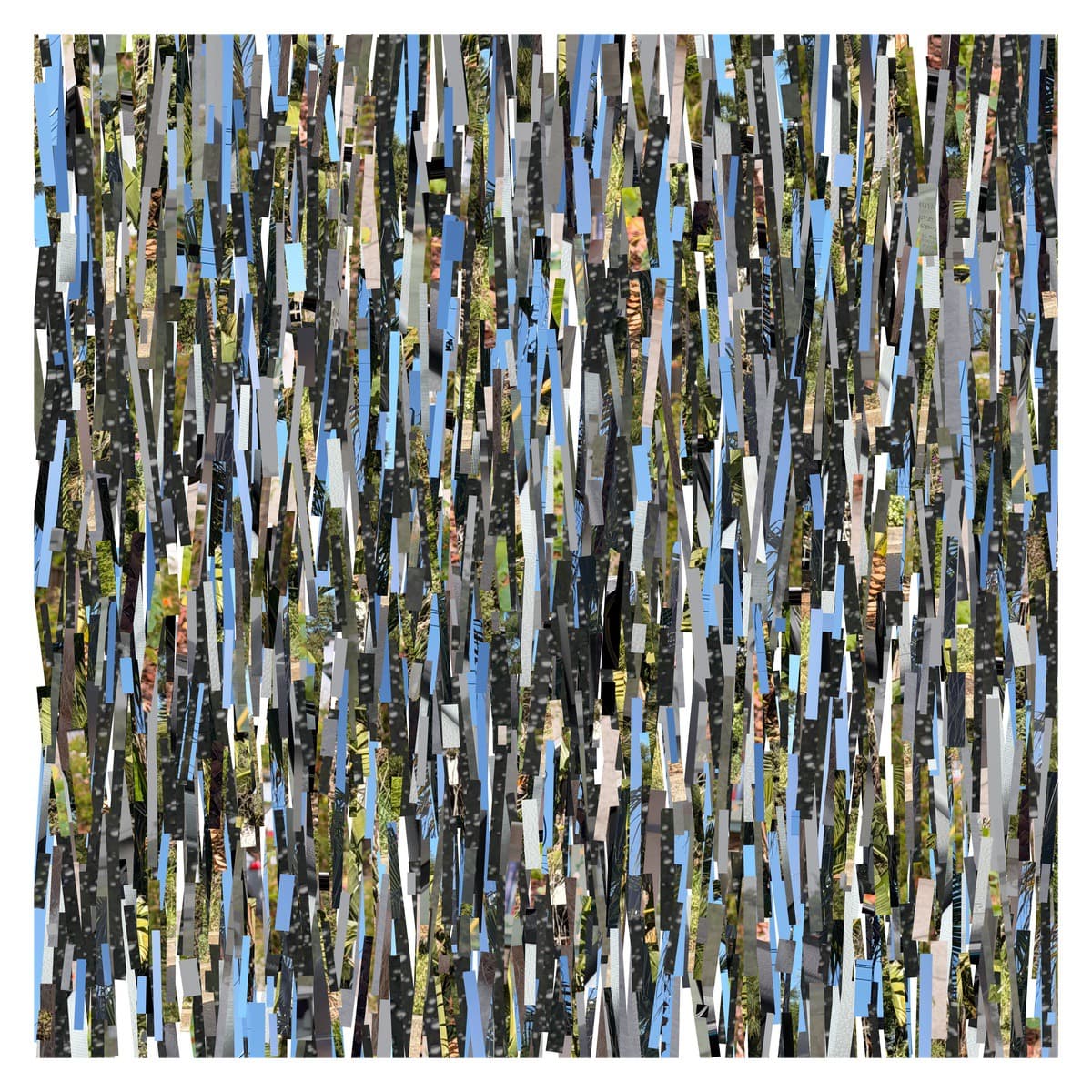
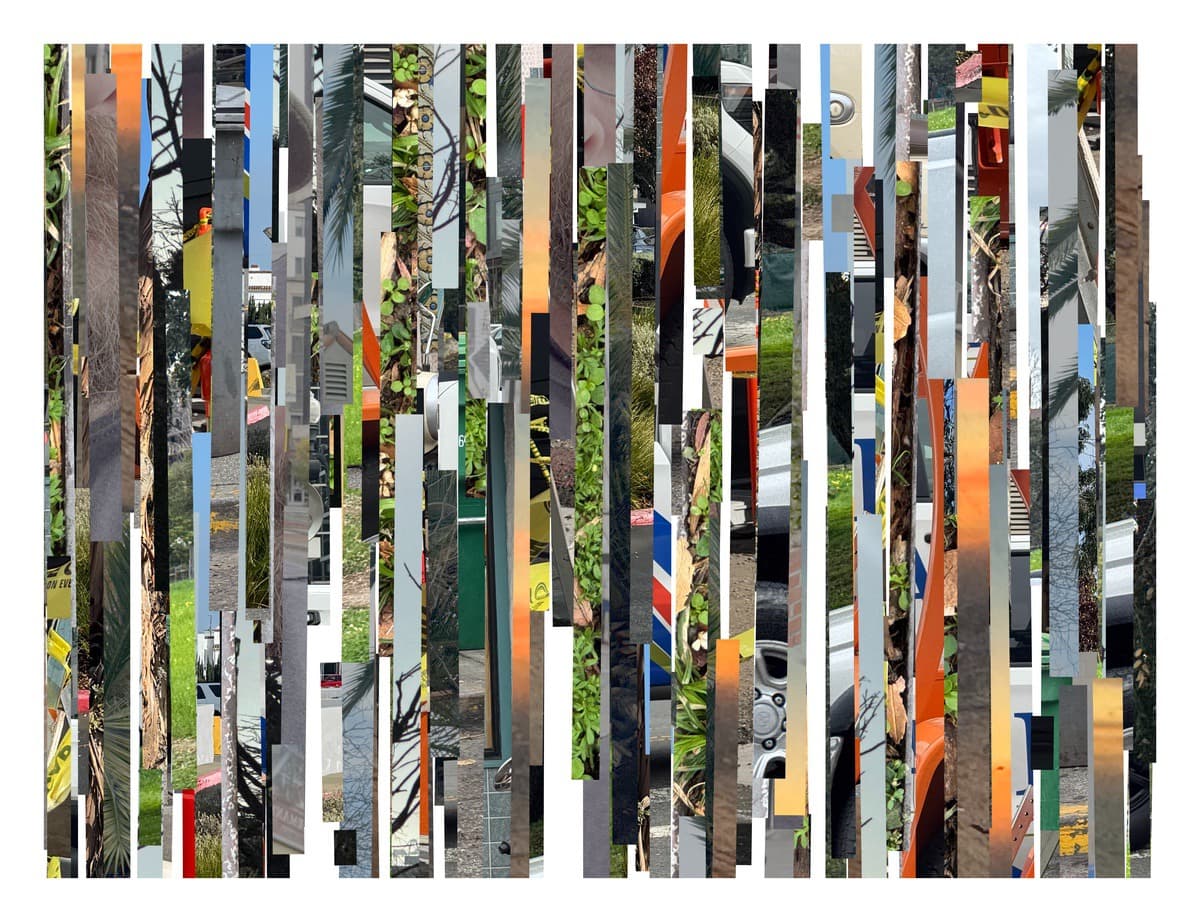
Deterministic algorithms applied with random parameters — each output unique, each reproducible.
Degrees of Randomness
Not all algorithmic art uses randomness in the same way. There is a spectrum:
- Fully deterministic — the algorithm produces the same output every time. No randomness at all. Think fractals or mathematical visualizations.
- Seed-random — random initialization, but reproducible given the same seed. Most diffusion model art lives here.
- Parameter-random — not just the seed but the parameters themselves are randomized. You might randomize the CFG scale, the prompt words, the model weights. The system explores its own parameter space.
- Process-random — randomness is introduced at multiple stages of a multi-step pipeline. Each stage compounds the unpredictability of the previous one.
- Truly stochastic — systems that incorporate real-world entropy sources (atmospheric noise, radioactive decay, network latency) rather than pseudorandom generators. The output is genuinely non-reproducible.
Each level offers different creative possibilities and different relationships between artist and output. The more randomness you introduce, the more you surrender control — and the more you rely on curation rather than direction.
The Aesthetics of Accident
There is a particular quality to images produced through chance operations. They often contain juxtapositions that no deliberate artist would have chosen — color combinations that shouldn’t work but do, compositional arrangements that feel both wrong and right, textures that emerge from the collision of unrelated processes.
This is the aesthetics of accident — the beauty that emerges when you remove the filter of conscious intention and let systems interact freely. It is not that these images are “better” than deliberately composed ones. They are different. They access a visual territory that deliberate composition cannot reach, because deliberate composition is always constrained by what the artist can imagine in advance.
Randomness expands the space of the possible. It produces images that surprise their own creator — and that surprise is often where the most interesting work lives.
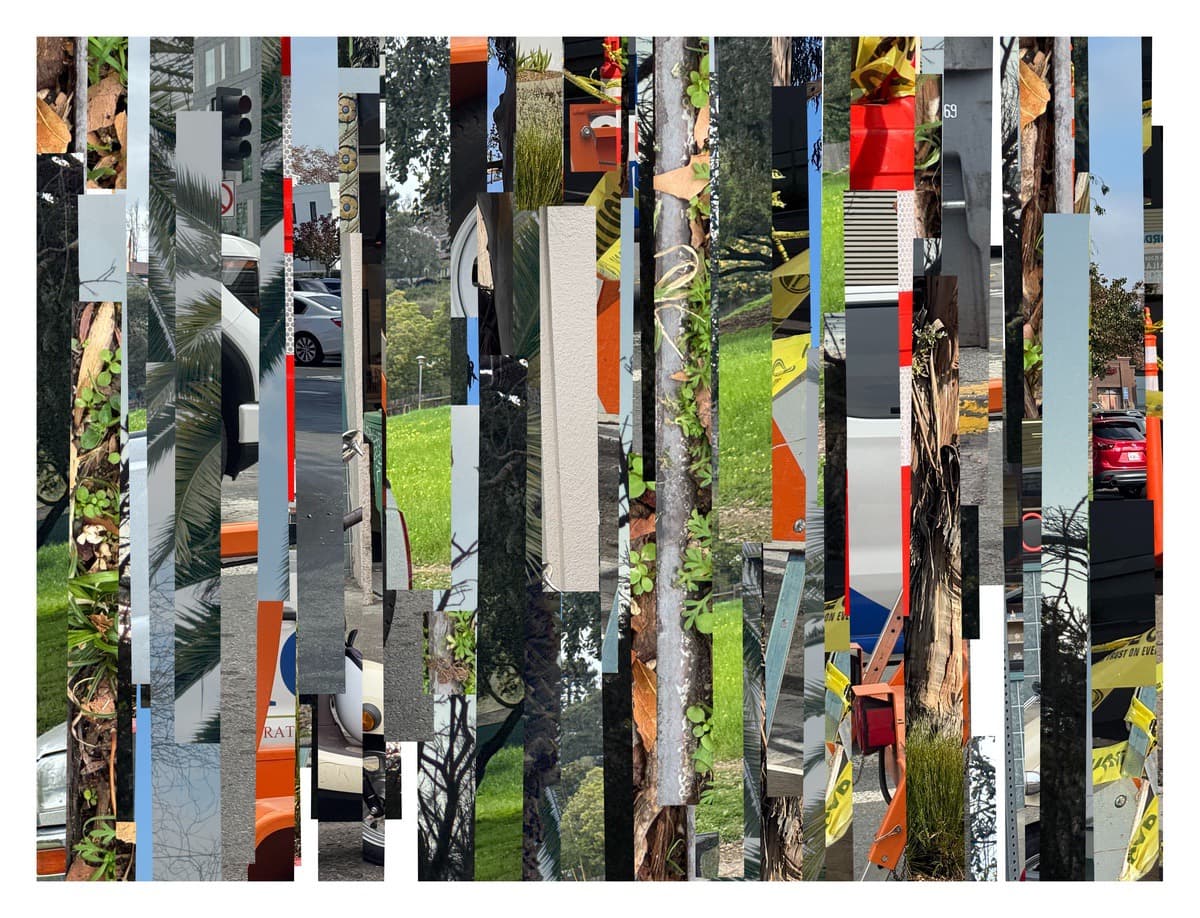
Chance determines the threshold at which pixels begin to flow and reorganize.
Randomness and Meaning
A common objection: if the output is random, how can it be meaningful? But this misunderstands both randomness and meaning. The output is not random — it is the product of a designed system operating on random inputs. The system encodes the artist’s aesthetic decisions, technical knowledge, and creative vision. Randomness is the fuel; the system is the engine.
Meaning in algorithmic art comes from the same place it comes from in all art: from the viewer’s encounter with the work, from the context in which it is presented, from the conversation it enters. A randomly generated image that moves someone is not less meaningful because its composition was determined by a seed value rather than a conscious hand.
If anything, there is something profound about finding meaning in chance — about discovering that a system designed with care can produce outputs that feel intentional even when they are not. It suggests that beauty and meaning are not solely the products of conscious will, but can emerge from well-designed processes operating in spaces of possibility.
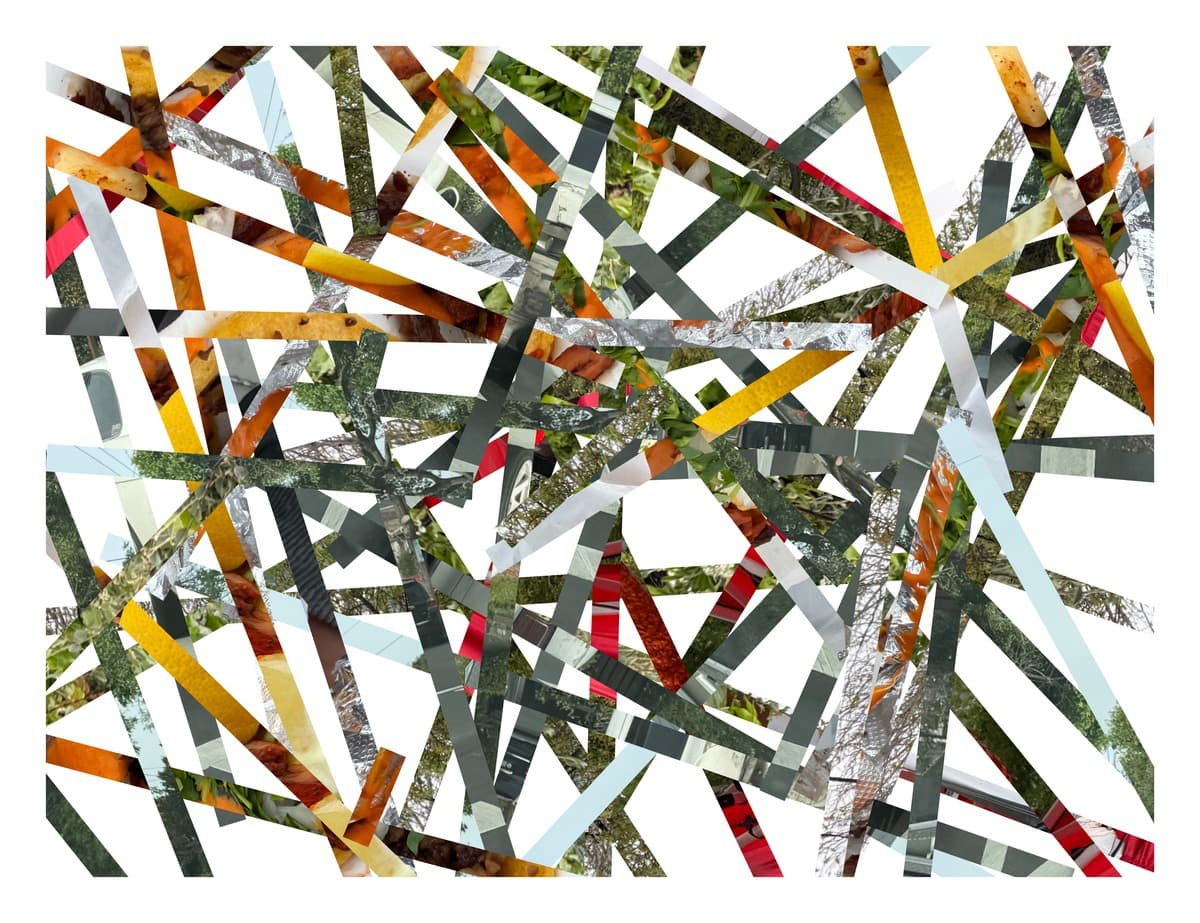
More algorithmic and generative work: Low CFG 2025 · Low CFG 2023 · Glitch · Horizontal Bars · Synthography · CFG Scale