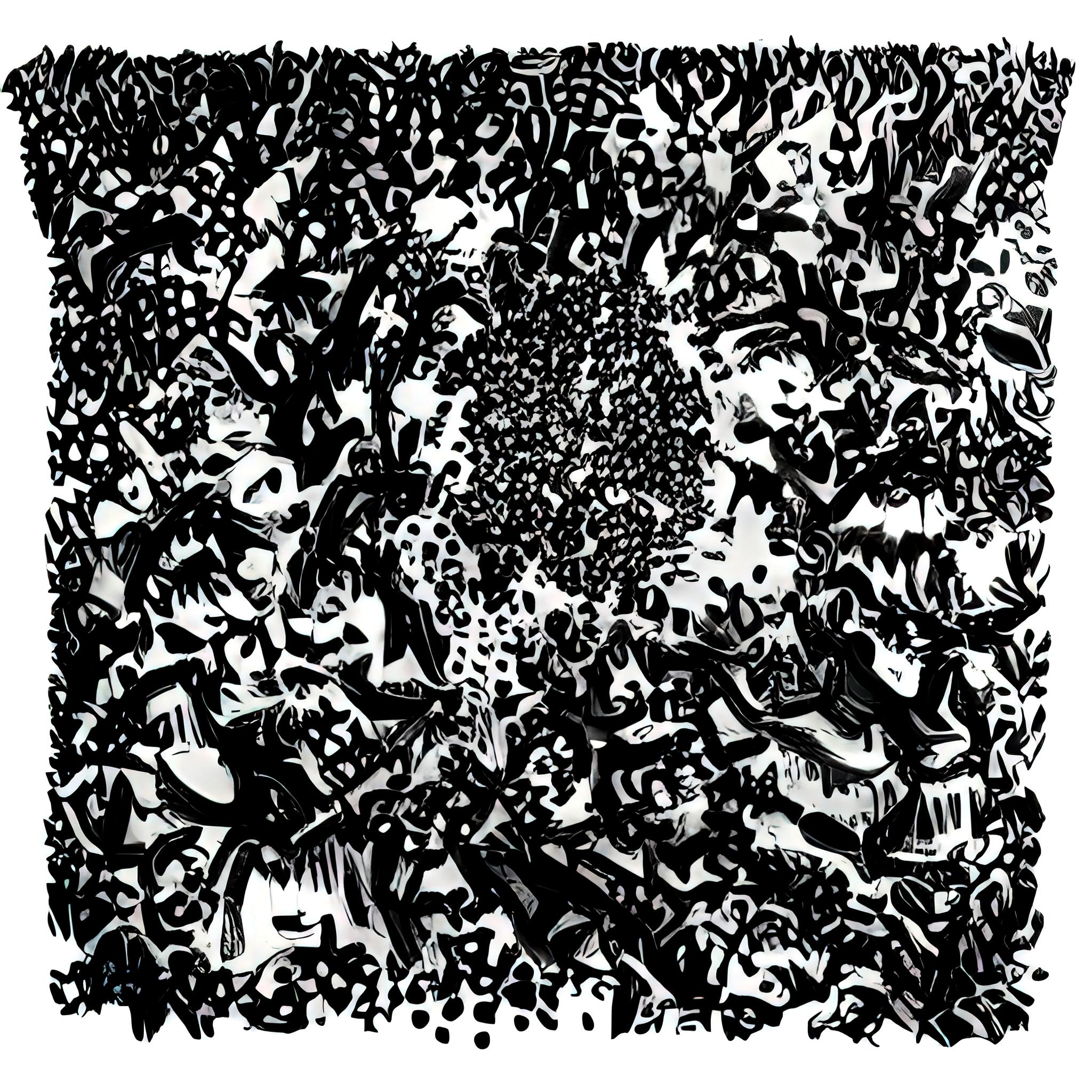
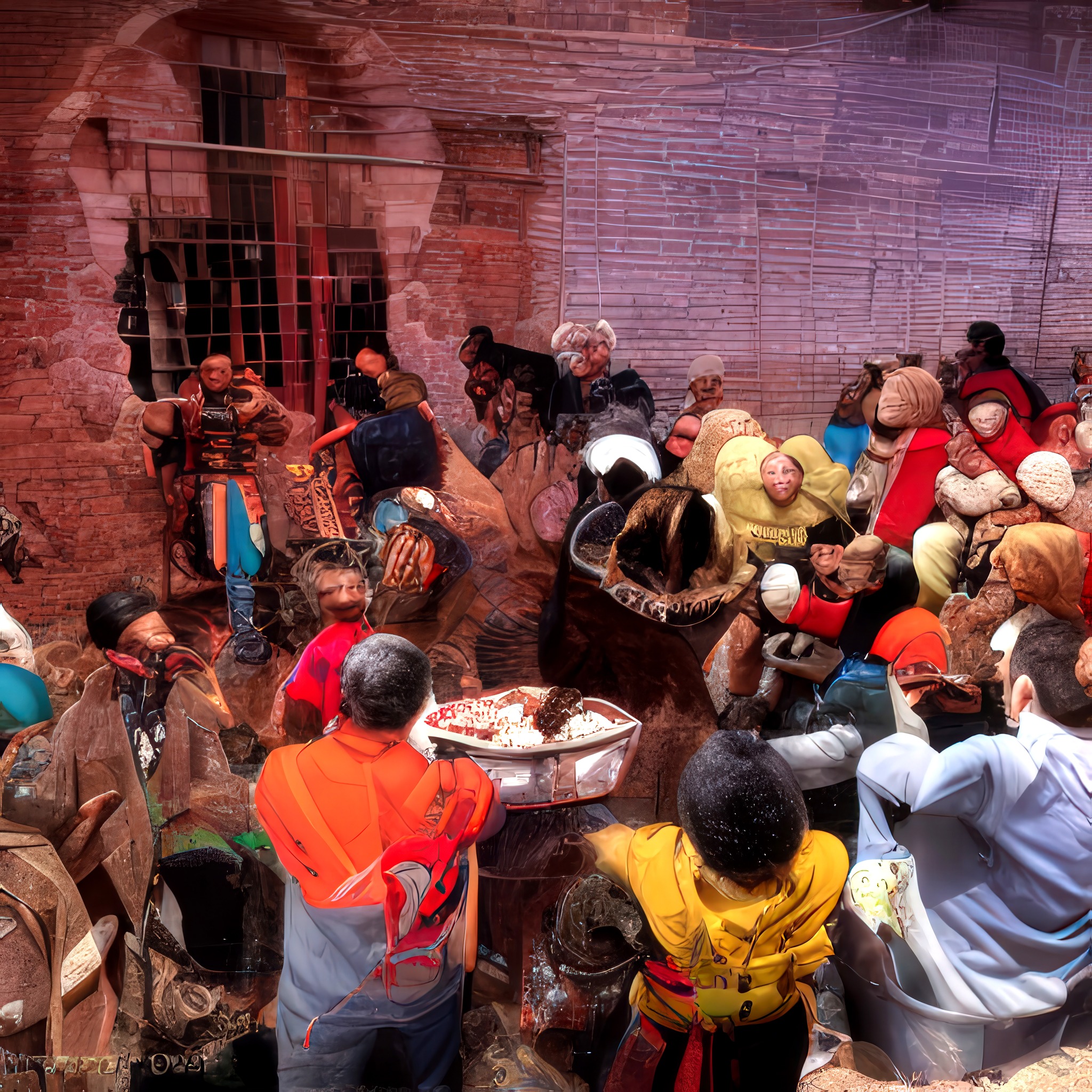
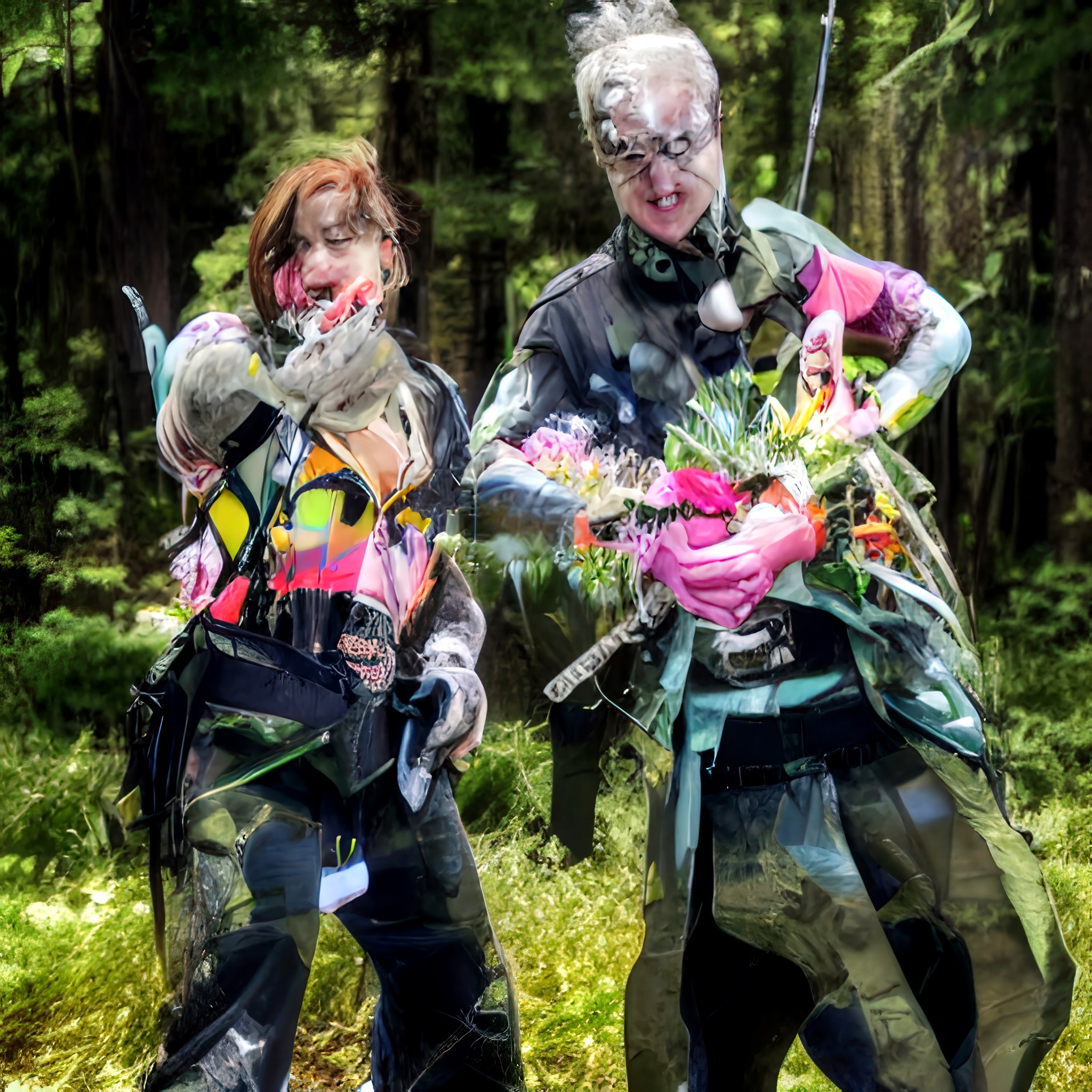
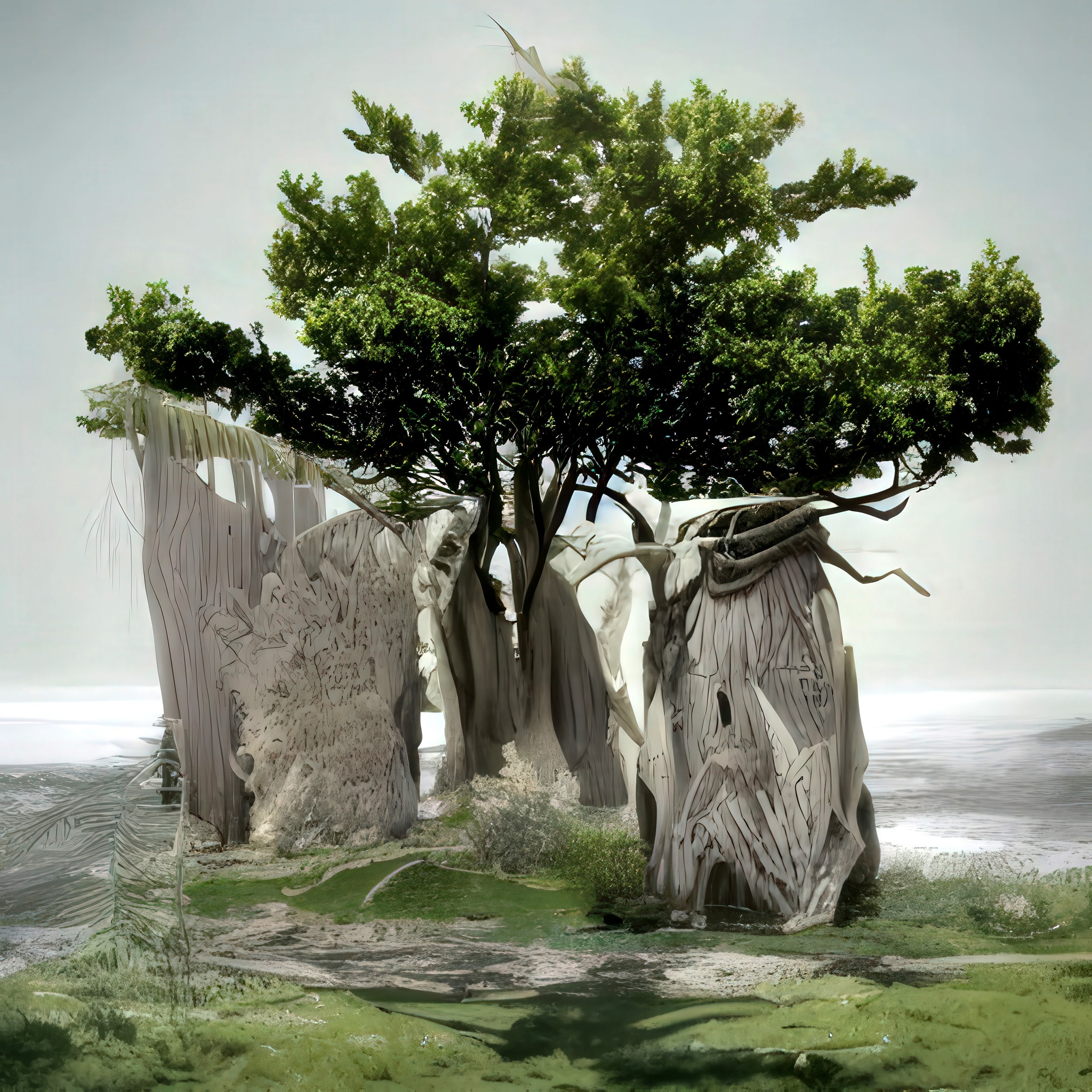
Most AI art is made by telling the model exactly what you want. You write a careful prompt, set the guidance high, and the model does its best to deliver the picture you described. The Low CFG series is what happens when I do the opposite — when I turn the guidance almost all the way down and let the model show me what it makes when no one is telling it what to make.
This post is about how I actually work in that mode. If you want the full technical explanation of the parameter itself, I wrote that up separately in CFG Scale and the Spectrum of AI Art. Here I want to talk about the process.
What "low CFG" means in practice
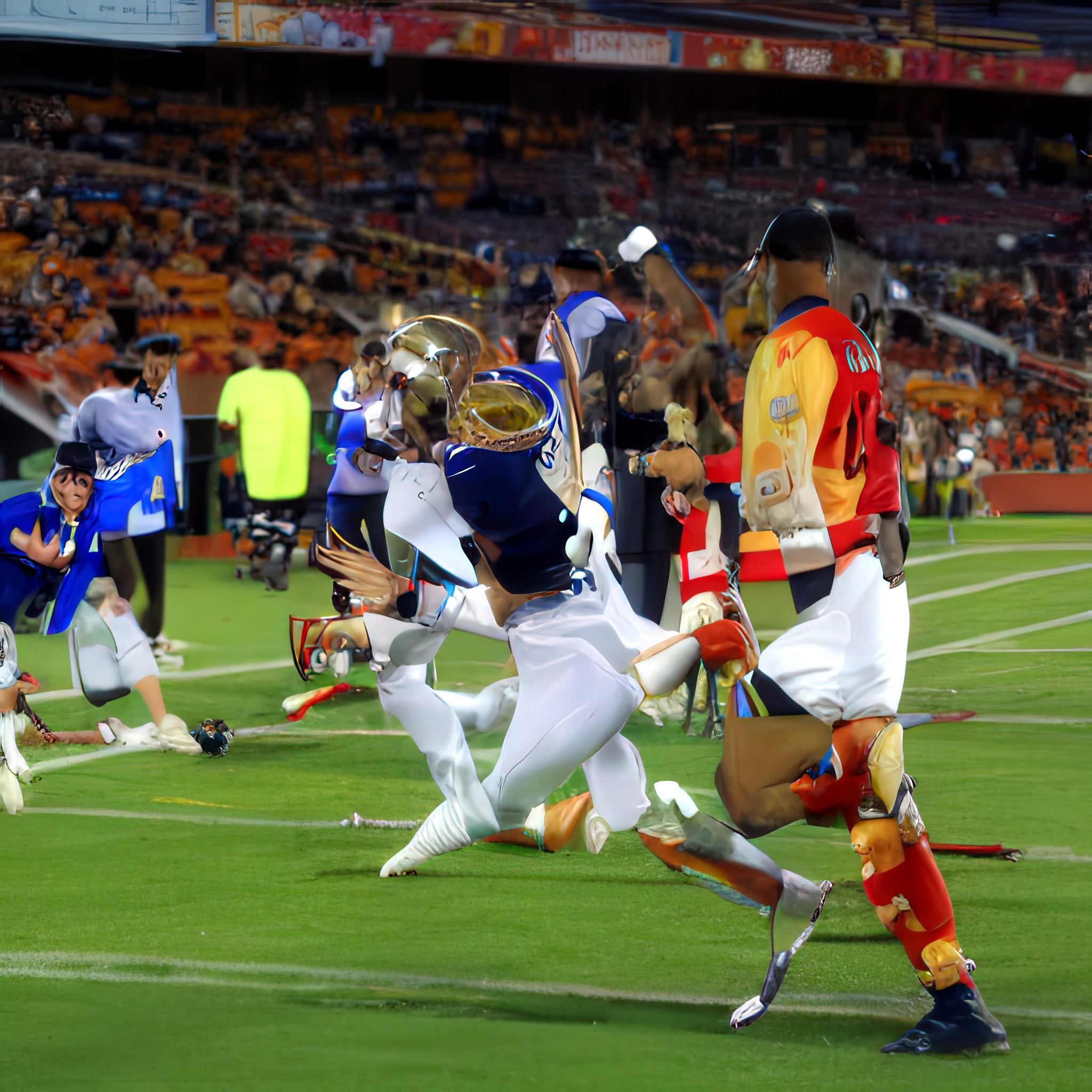
CFG — Classifier-Free Guidance — is the dial that controls how hard the model tries to match your prompt. At the normal range, around 7 to 12, the model balances your words against its own sense of what an image should look like. Crank it up and the model forces your prompt through, often breaking the image in the process. Turn it down toward 1 and the model essentially stops listening to you.
That last setting is the one I'm interested in. At very low guidance, the model works from its own internal logic — the statistical residue of the billions of images it was trained on. My prompt barely registers.
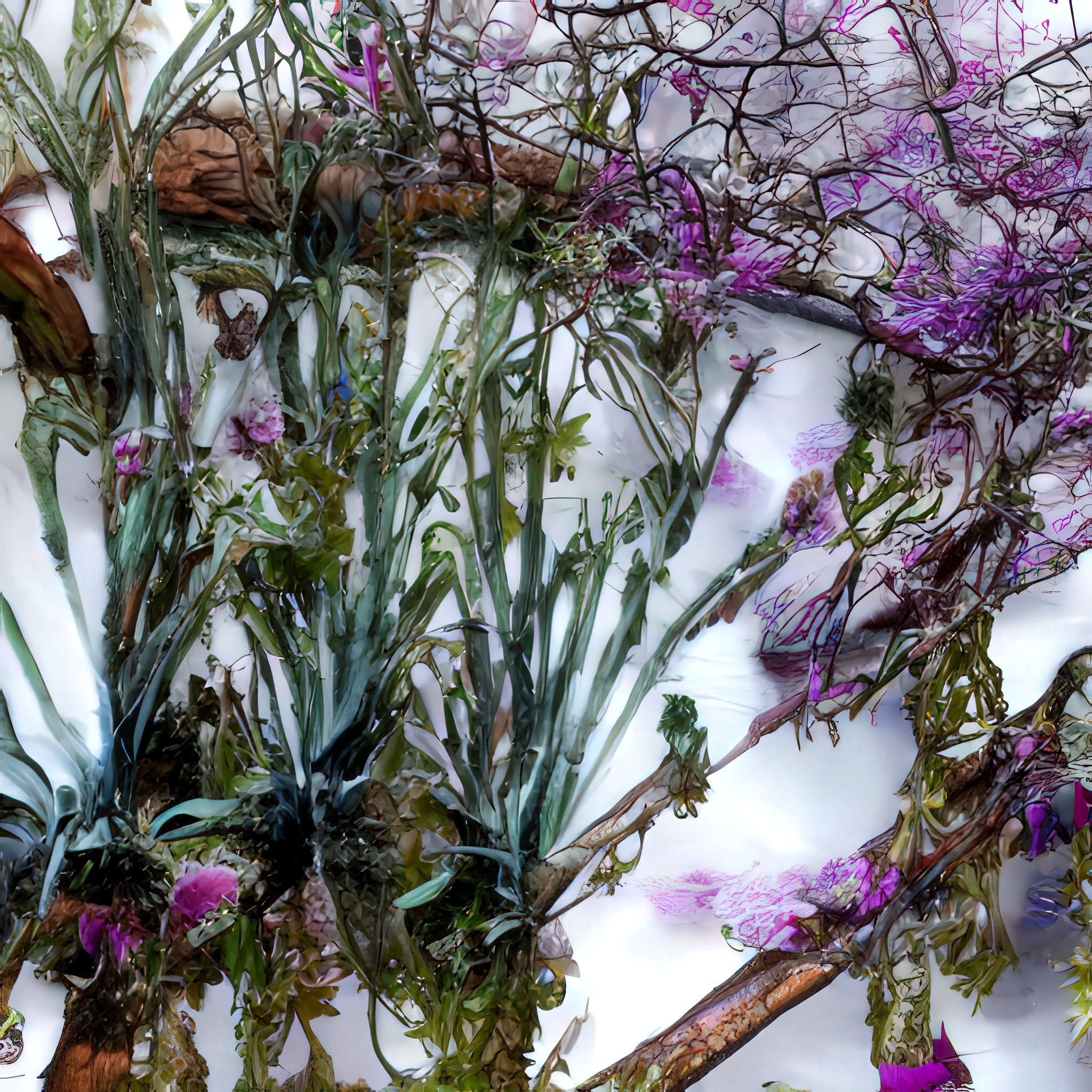
The results have real structure — recurring motifs, a strange consistency. You start to see the model's defaults laid bare: the palettes it reaches for, the textures it trusts, the half-formed shapes it keeps returning to.
I think of these as the model's dreams. They're proto-images — pictures of nothing in particular, assembled from everything.
The work happens in the looking
When I make a directed series, the work is up front: I'm crafting language, adjusting parameters, steering toward a vision. A low CFG series inverts that completely. There's almost nothing to specify. The work is all on the back end, in looking.
So the process is simple to describe and slow to do. I generate in large batches — hundreds of images at low guidance, varying seeds and small settings, aiming at nothing in particular. Then I sit with the output and curate. There barely is a prompt to speak of; the whole skill is recognition — the ability to look at a field of ambiguous, half-resolved images and feel which ones are alive.
That feeling is hard to put into words, which is the honest answer to the question I get most: how do you choose? I can't fully say. After enough hours of it, certain images just hold your eye — a tension in the composition, a color relationship the model would never have produced on purpose, a shape that almost resolves into something and then lets go. I keep those. I let the rest go.
What keeps me coming back
Two things make this my favorite mode to work in.
The first is surprise. In a directed series I usually end up somewhere near where I aimed. In a low CFG series I have no idea what I'll find, because the images are coming from a place I didn't design. The best ones are things I could never have specified — and that's exactly why they're worth keeping. No prompt could have asked for them.
The second is what they reveal. A low CFG image is, in a sense, a picture of the training data itself — a visual average of how the internet sees the world, compressed and recombined without the filter of language. The recurring motifs come from the aggregate; they belong to everyone and no one. Working this way feels like archaeology. The forms are already in the model, and I'm surfacing them.
On the curation being the art
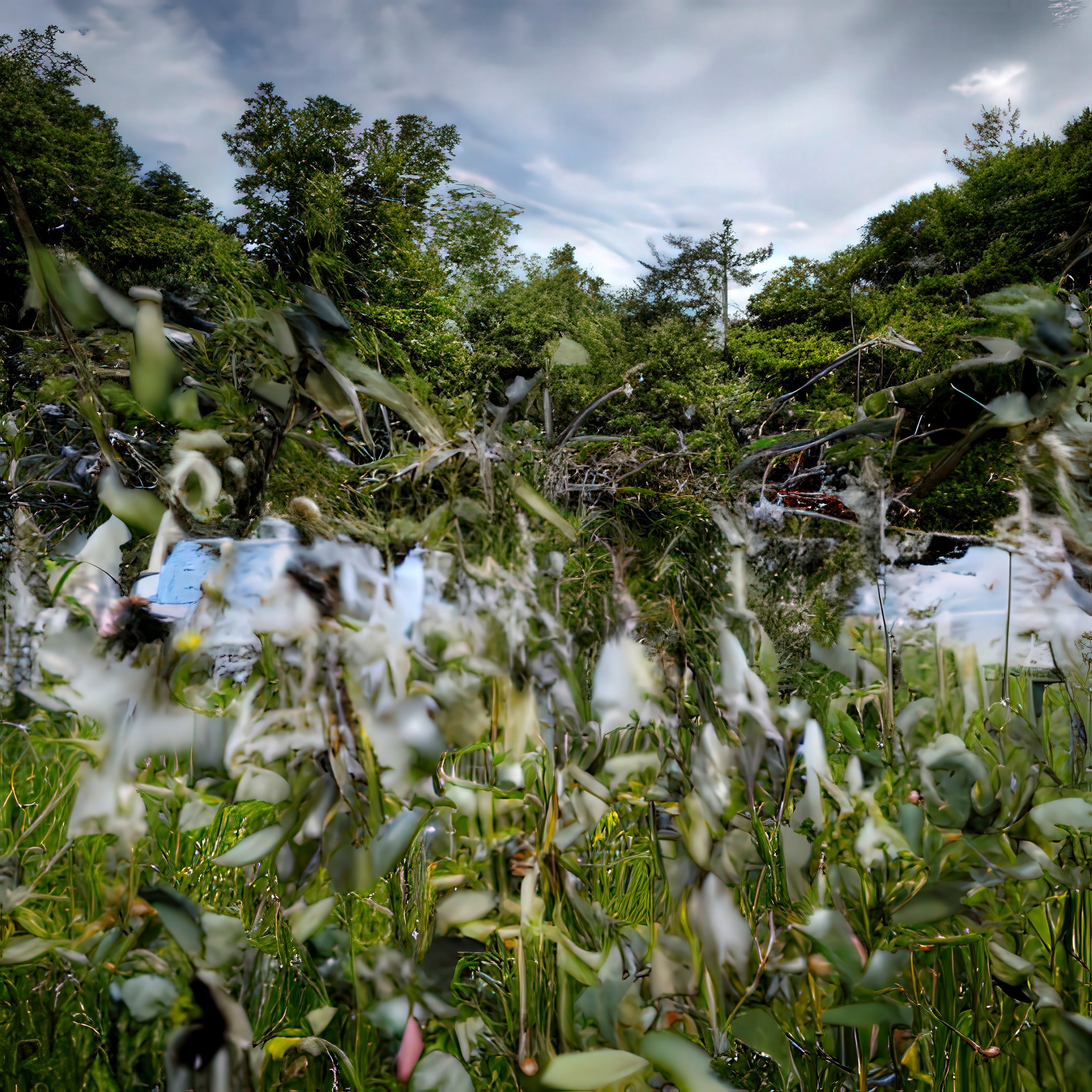
It would be easy to dismiss this as just clicking a button and saving the nice ones. But the button is the least of it. The series exists because I generated far more than I kept and made hundreds of small decisions about what belonged. Left to itself, the model produces chaos. The coherence you see across a finished Low CFG set is the curation — the part that's mine.
You can see where this has gone across two bodies of work: the original Low CFG (2023) set and the newer Low CFG 2025 series. They're made the same way — turn the dial down, generate a flood, and spend the real time deciding what's worth surfacing from the model's dream.
I also run a Low CFG group on Facebook, where people share work made at the bottom of the guidance dial. It's become a good place to see how differently the same idea plays out in other hands.
A few more from the series