Latent Space as Landscape
by Benji Friedman
Inside every trained generative model there is a landscape. Not a metaphorical one — a real, navigable, high-dimensional space where every point corresponds to a possible image. This is latent space: the compressed representation of everything the model has learned about what images can be.
The synthographer is an explorer of this landscape. And like any explorer, the quality of the work depends on where you go, how you move, and what you recognize when you arrive somewhere new.
What Is Latent Space?
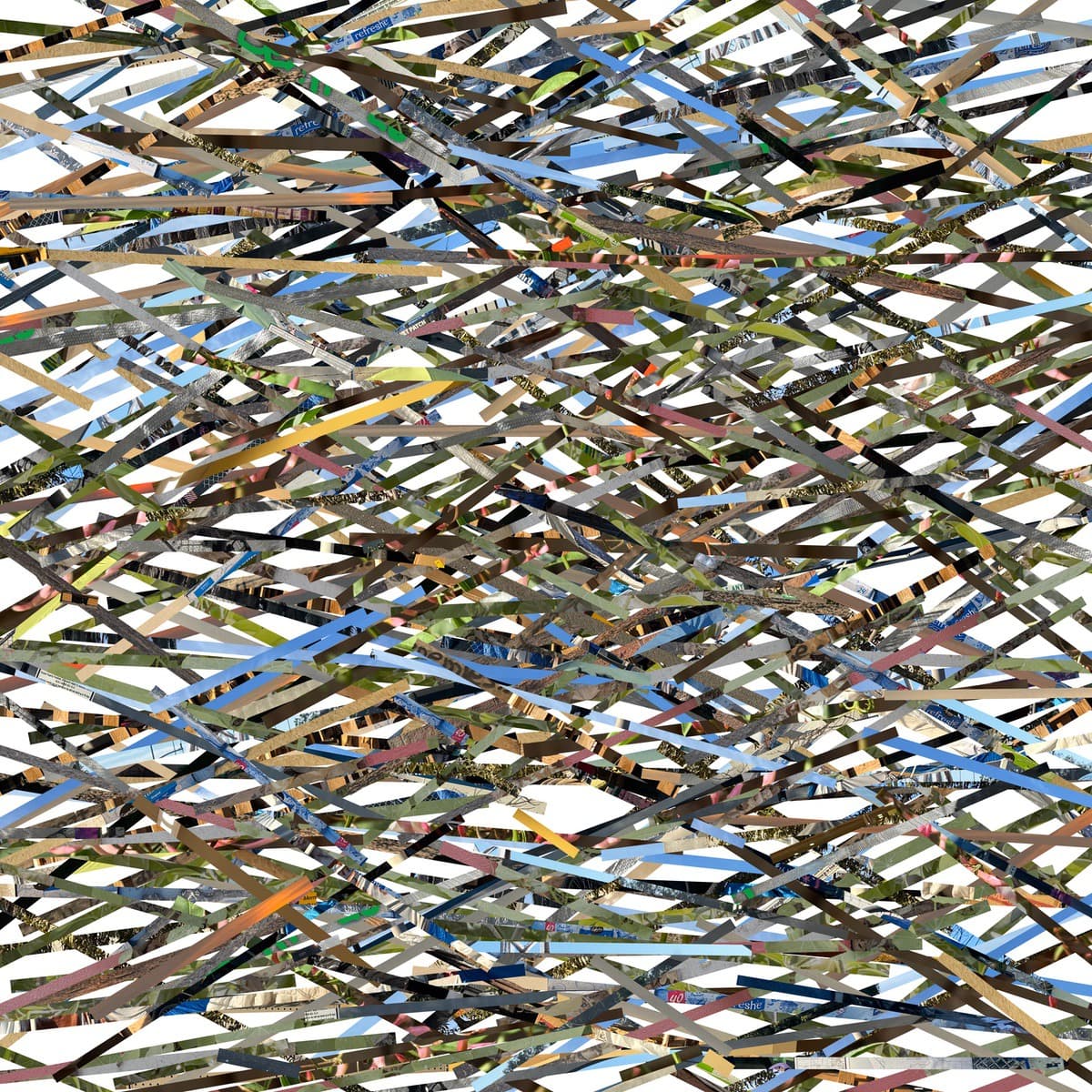
When a diffusion model is trained on billions of images, it learns to compress visual information into a lower-dimensional representation. A 512×512 image has 786,432 pixel values. The model’s latent representation of that image might have only 4,096 dimensions. This compression is not random — it preserves the meaningful structure of images while discarding noise.
The result is a space where similar images are near each other and different images are far apart. Portraits cluster in one region. Landscapes in another. Abstract patterns in another. But the boundaries are not sharp — they blend and overlap in ways that create strange, fertile territory at the intersections.
Every image the model can generate corresponds to a point in this space. Every prompt, every seed, every parameter setting is a set of coordinates. When you generate an image, you are visiting a specific location in latent space.
The Geography of the Possible
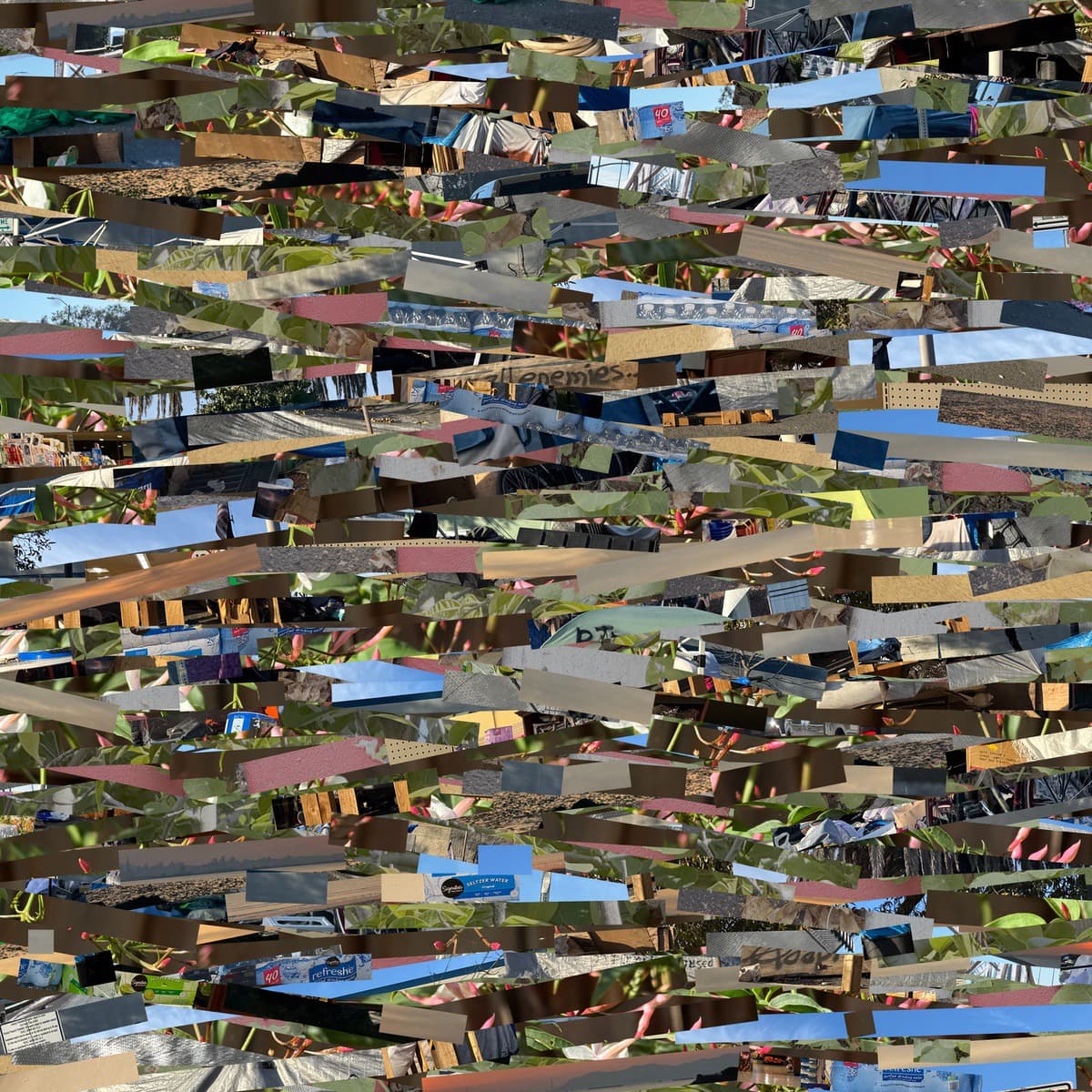
Think of latent space as a vast continent, mostly unmapped. There are well-traveled regions — the areas that standard prompts at standard settings tend to visit. “A beautiful sunset over the ocean” at CFG 7 will land you in a heavily trafficked zone. The images there are competent, predictable, and familiar. They look like what you’d expect.
But move away from these well-worn paths and the terrain gets strange. Lower the CFG and you drift toward the model’s own preferred territories — regions it gravitates toward when unconstrained by language. Use unusual prompt combinations and you find yourself in intersections that few have visited. Merge models and you create entirely new geographies that didn’t exist in either parent.
The most interesting art happens at the edges — in the liminal zones between recognizable categories, where the model’s learned concepts blur into each other and produce forms that are genuinely novel.
Navigation Tools
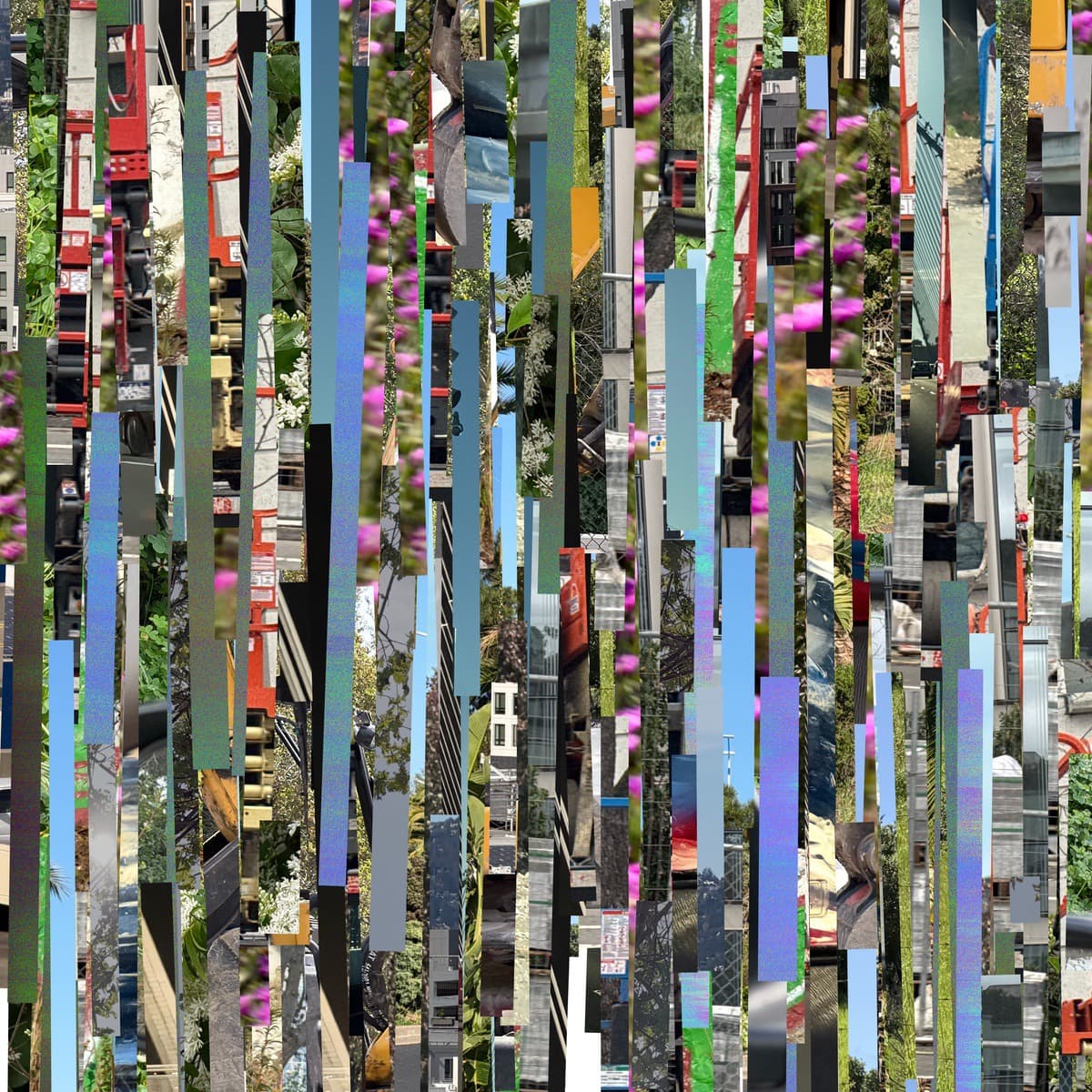
The synthographer has several tools for navigating latent space, each offering a different mode of movement:
- Prompts — the primary navigation instrument. Language acts as a compass, pointing the generation toward specific regions. But language is imprecise, and the model’s interpretation of words creates its own drift.
- Seeds — each seed is a different starting position. Same prompt, different seed: you land in the same neighborhood but at a different address. Exploring seeds is like walking a grid pattern through a district.
- CFG scale — controls how tightly you follow the prompt-compass versus drifting freely. High CFG keeps you on the marked trail. Low CFG lets you wander.
- Sampling steps — how long you spend resolving the image. More steps mean more detail, more commitment to a specific location. Fewer steps leave you in a hazier, more ambiguous zone.
- Model choice — different models have different latent geographies. Switching models is like switching continents entirely. The same coordinates mean different things in different spaces.
- Interpolation — moving smoothly between two points in latent space, watching the image transform continuously. This reveals the topology of the space — what lies between any two images.
Expeditions and Series
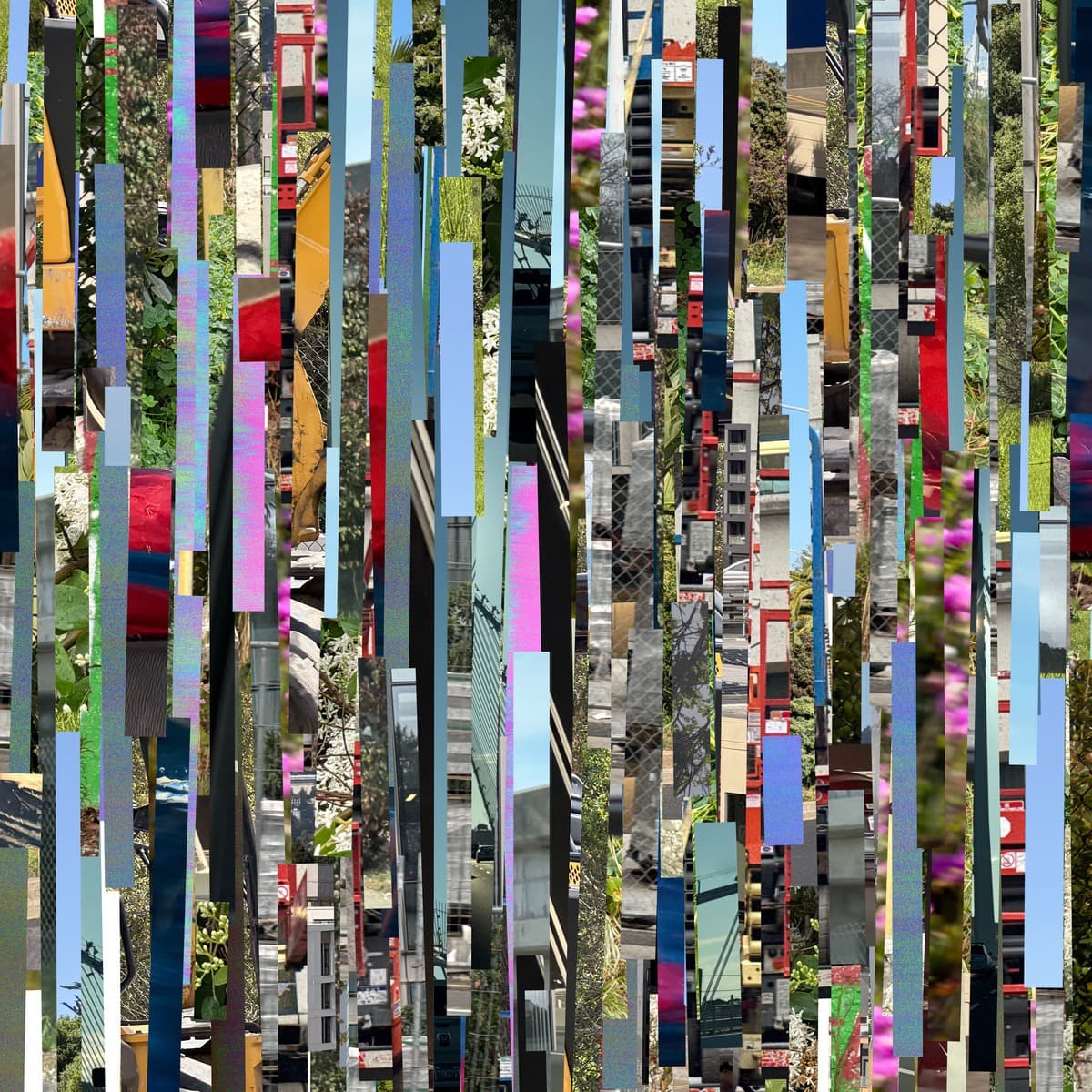
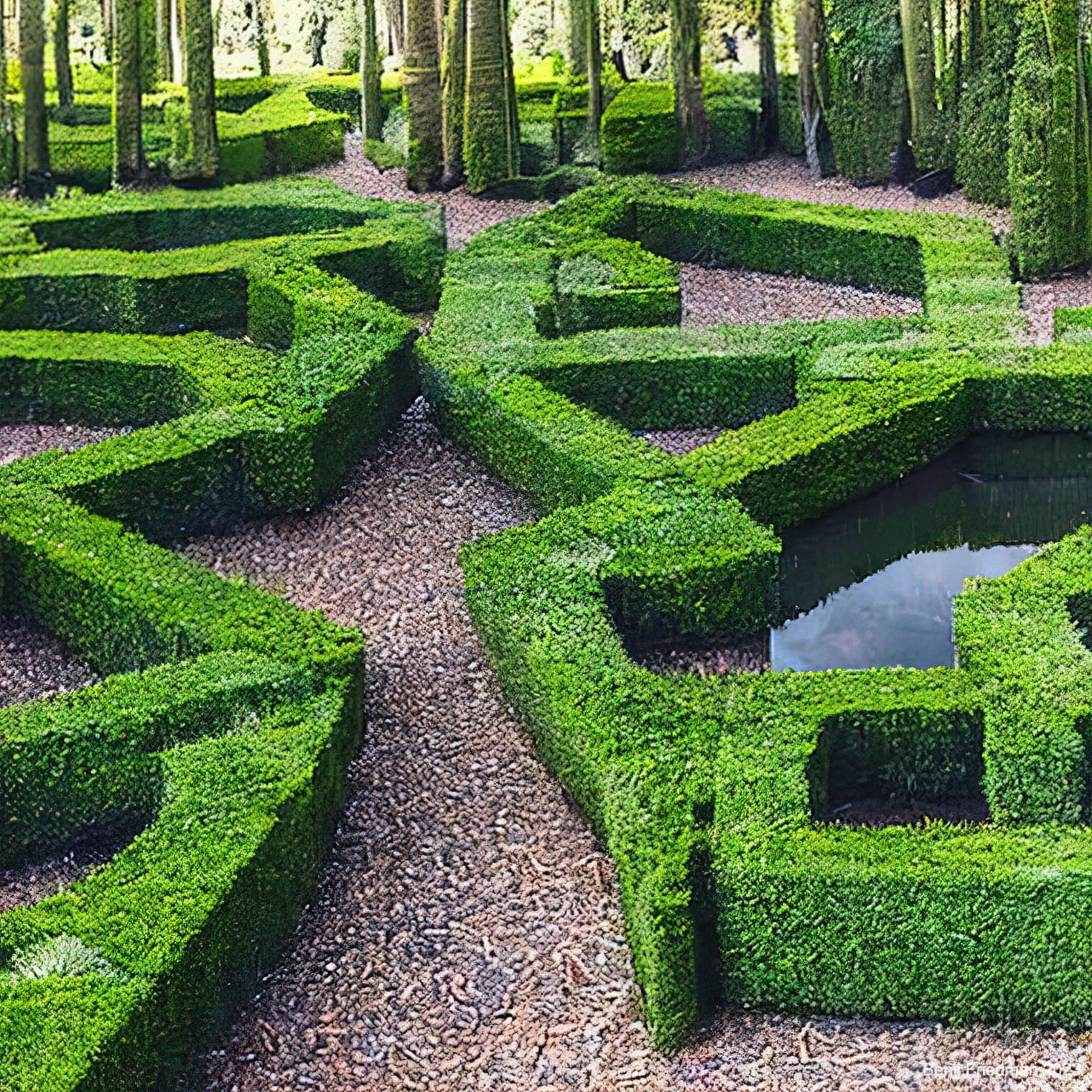
When I create a series like Low CFG 2025 or Forest Mazes, I am conducting an expedition into a specific region of latent space. The prompt and parameters define a territory, and then I explore it systematically — varying seeds, tweaking settings, mapping the boundaries of what that region can produce.
Some regions are vast and varied — you can spend hundreds of generations and keep finding new things. Others are narrow and quickly exhausted. Part of the skill is recognizing which territories are worth extended exploration and which are better visited briefly.
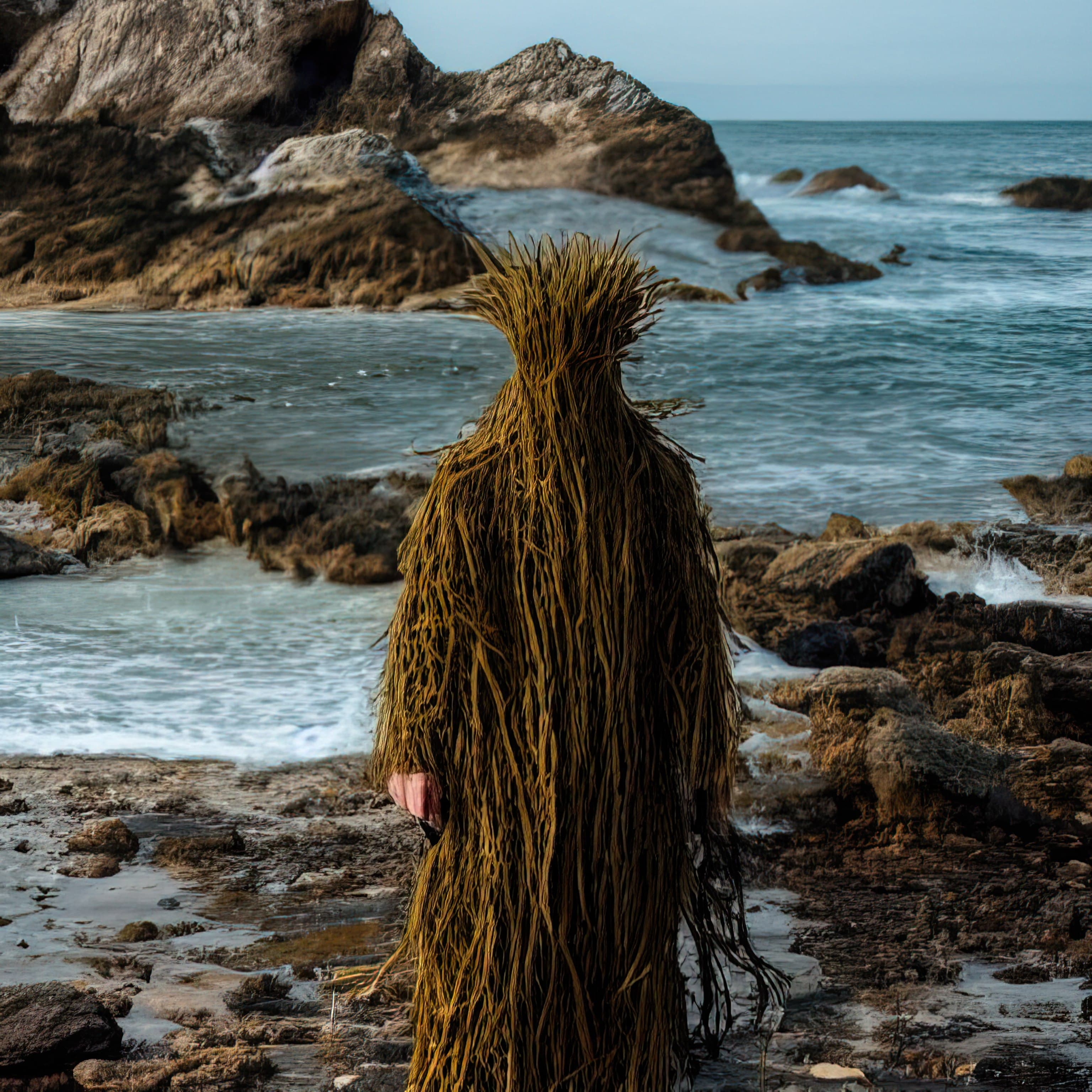
The Plant People series, for instance, occupies a surprisingly rich region — the intersection of human figure and botanical form proved to be a deep well with enormous variation. The Lamassu series, by contrast, occupies a more specific niche — the outputs are more consistent, more focused, more like variations on a theme than explorations of a territory.
The Landscape Tradition
There is a long tradition in art of exploring physical landscapes — from the Hudson River School painters who ventured into the American wilderness to document what they found, to the Land Artists of the 1960s who worked directly with terrain, to photographers who spend years documenting a single place.
Latent space exploration inherits this tradition but transposes it into a mathematical domain. The frontier is no longer geographic — it is computational. The wilderness is not made of rock and water but of learned weights and probability distributions. And yet the experience of exploration feels remarkably similar: the sense of venturing into unknown territory, the surprise of discovery, the patience required to understand a place deeply.
Like landscape painters before us, synthographers are documenting a territory that most people will never visit directly. The images we bring back are reports from an alien geography — evidence that these spaces exist and that they contain beauty worth sharing.
Unmapped Territory
The scale of latent space is difficult to comprehend. A typical diffusion model’s latent space has thousands of dimensions. The number of possible images is not just large — it is larger than the number of atoms in the observable universe. No amount of generation will ever exhaust it. We are exploring an effectively infinite landscape with finite time.
This means that most of latent space will never be visited. There are images — beautiful, strange, meaningful images — that exist as possibilities within trained models but that no one will ever generate. They are latent in the truest sense: present but unrealized.
There is something both humbling and exciting about this. Every generation is a tiny sample from an incomprehensibly vast space. Every image we find is one we almost didn’t. The landscape is always larger than our exploration of it — and that is what keeps the practice alive.
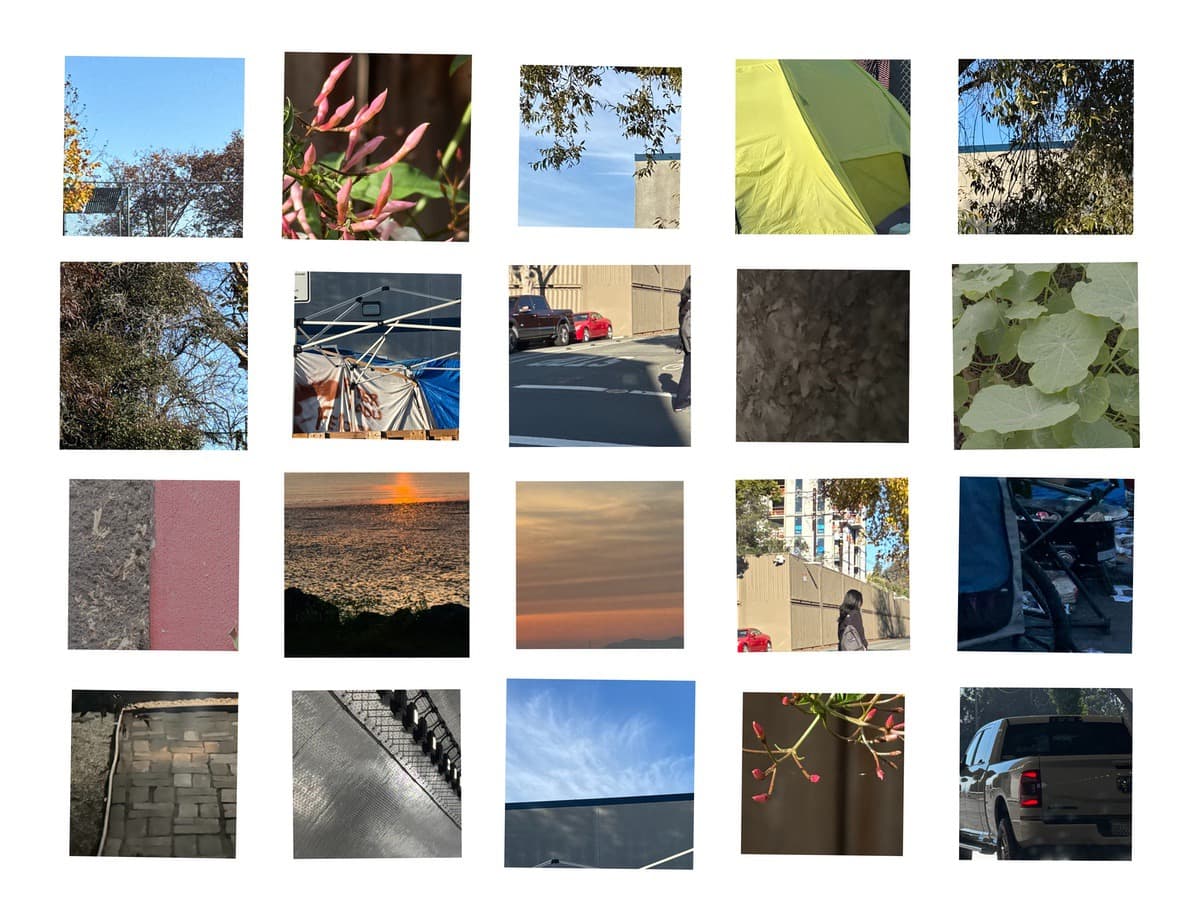
Explorations from latent space: Low CFG 2025 · Low CFG 2023 · Plant People · Forest Mazes · Lamassu · Synthography